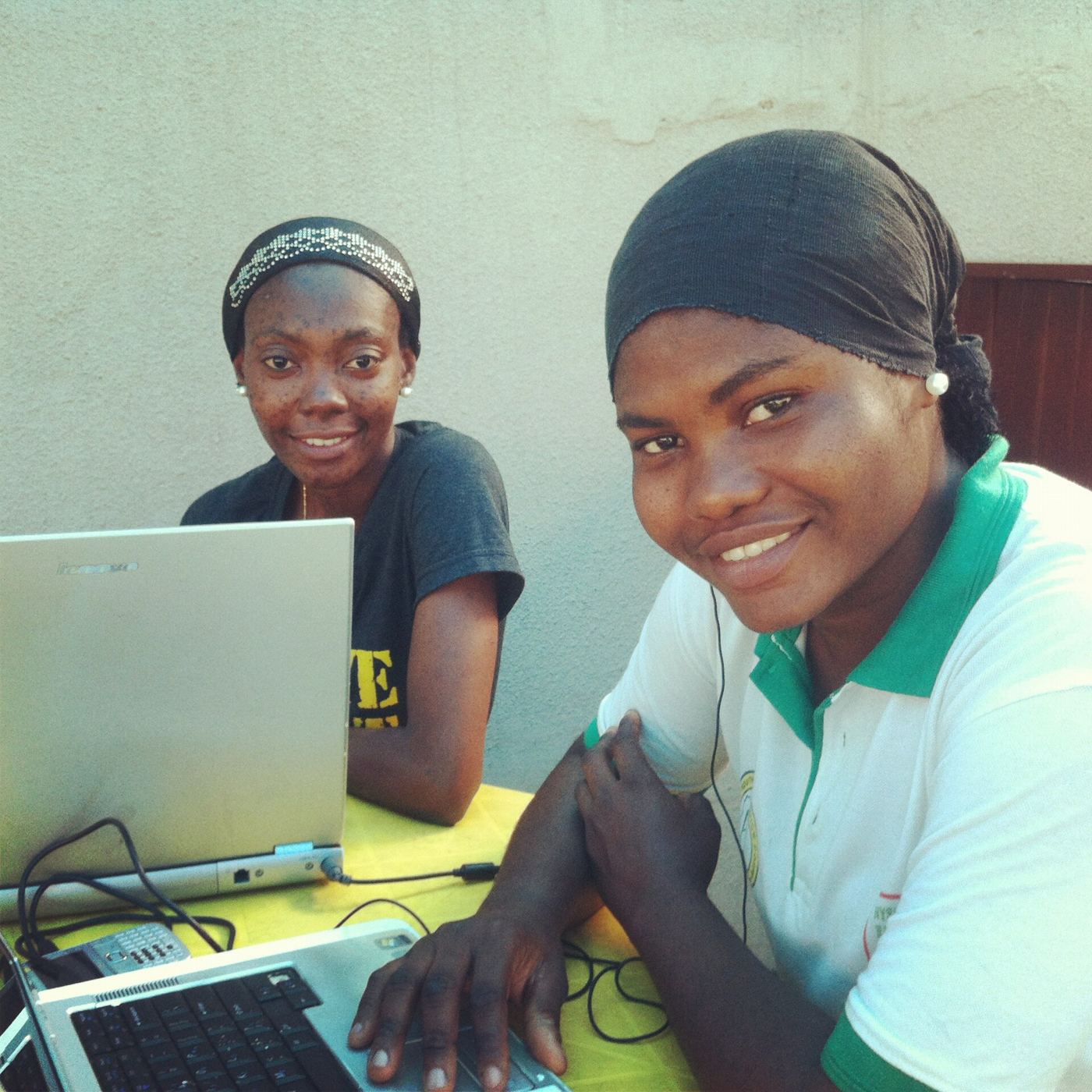
Experienced software engineers are spending a growing share of their week mentoring junior colleagues, and many teams now treat that guidance as core work rather than an interruption. In offices where screens are shared and questions are welcomed, newer developers learn how to read unfamiliar code, test a change safely and explain their reasoning before merging it. Structured pairing sessions, in which two engineers work through a problem together, pass on habits that documentation alone rarely captures. Managers say the investment pays back when junior staff begin handling real incidents confidently and reviewing each other work with care, reducing the burden on a small number of senior specialists. The habit also strengthens recruitment, because candidates quickly sense whether a team will invest in their growth or leave them to struggle alone.
What the Evidence Shows
Good mentoring needs protecting, because calendar pressure can quietly push it aside whenever deadlines loom. Teams that succeed schedule pairing time, rotate who answers questions so knowledge spreads, and recognise mentoring in performance reviews rather than rewarding only individual output. Remote and hybrid colleagues are included through shared screens and recorded walkthroughs of tricky systems. Junior engineers also bring value in return, often questioning assumptions and spotting outdated practices that longer serving staff no longer notice. Over time, this culture of teaching makes the whole team more resilient, since understanding is shared widely instead of resting with one person whose absence would leave everyone else struggling. Over a career, many engineers remember a generous mentor as a turning point, which is one reason the practice sustains itself once a team establishes it. Reporting and analysis from sources such as MIT Technology Review track the same developments, and specialists following mentoring and pairing among software engineers say the direction is now consistent across independent lines of evidence.
The Wider Context
The wider context is an industry learning to ship capability and restraint together. Products built around mentoring and pairing among software engineers now launch with safety evaluations, usage data and rollback plans as standard, because enterprise buyers and regulators ask for them in the first meeting. Companies that treated those questions as friction are discovering they have become the purchase criteria.
What Happens Next
What happens next for mentoring and pairing among software engineers depends less on another breakthrough than on the unglamorous work of reliability, pricing and support. The buyers evaluating it now are not enthusiasts; they are operators with budgets and auditors, and their checklists will decide the timeline. On the evidence of the current pilots, the technology has earned the right to be judged by them. You can follow related developments in our coverage of technology.
There is a practical lesson in all of this for readers deciding what to do today. Start with the verified facts, be wary of anyone promising certainty, and prefer reversible steps while the evidence is still developing. Circumstances differ by country, income and personal situation, so general guidance should always be weighed against your own context before you act on it in any significant or lasting way.