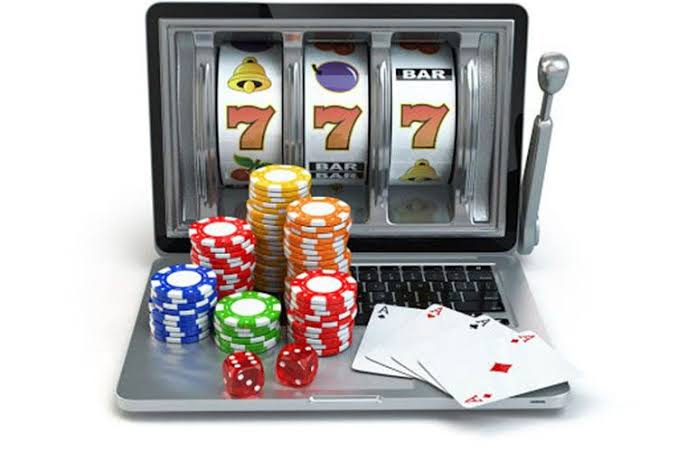
A strong digital platform is not defined by one flashy feature; it is defined by the way dozens of small design and information choices work together. The presence of services such as UU88 reflects a wider move toward always-available, mobile-first entertainment. That makes it useful to look beyond surface-level graphics and consider how the experience is structured. That makes responsible slot gaming: budgeting, time limits, and realistic expectations worth examining through the practical lenses of clarity, performance, and responsible use.
The main challenge with reel-style titles is not learning how to press cycle; it is understanding what the game information actually means. RTP is long-term, volatility is descriptive rather than predictive, and bonus features do not create certainty. Those distinctions are useful because they encourage realistic expectations and more deliberate session management. In practice, that means slowing the process down whenever speed begins to replace judgment.
Start With a Fixed Entertainment Budget
One useful way to think about start with a fixed entertainment budget is to separate what the interface controls from what the user controls. Modern reel-style titles can have very different visual styles, but the basic concept remains easy to recognize: display icons are arranged on display columns or reel-like grids, and the game evaluates the final arrangement according to a pay information. Some titles use fixed paylines, some use a number of selectable lines, and others use ‘ways to win’ systems where matching display icons can pay across adjacent display columns. Understanding the structure matters because it tells a user what a winning combination actually means. The graphics may change dramatically from game to game, but the rules define the overall experience. The simplest test is whether the person can explain the choice clearly before making it.
- Read the paytable before the first spin.
- Confirm the total cost per spin.
- Treat RTP as a long-run statistic.
- Stop at the planned budget or time limit.
Choose Stakes Deliberately
Choose Stakes Deliberately is best understood as a practical part of the overall user experience. Return to player, usually shortened to RTP, is a long-run statistical measure rather than a promise about a single session. A game listed with a particular RTP can still produce a wide range of short-term results because each cycle is uncertain. It is therefore misleading to read RTP as a guarantee that a certain percentage of one person’s selected amount will come back during a short period. RTP is more useful as a comparative information point that describes the game’s mathematical model over a very large number of plays. For this article’s focus, the practical priority is to keep the next decision understandable and deliberate.
Use a Session Timer
The idea behind use a session timer becomes clearer when it is connected to everyday user behavior. Volatility describes the general pattern of how wins are distributed. Volatility is best used to understand how a game may feel and how quickly a budget can fluctuate. Users who prefer steadier sessions may view the same game very differently from people attracted to larger but less frequent outcomes. Lower-volatility games tend to produce smaller wins more frequently, while higher-volatility games may produce long quiet periods with less frequent but potentially larger wins. That does not mean a particular session will follow the expected pattern perfectly. In practice, that means slowing the process down whenever speed begins to replace judgment.
Avoid Chasing a Particular Outcome
From a practical standpoint, avoid chasing a particular outcome deserves more attention than it often receives. Bonus features can include free cycles, wild icon display icons, scatter icon triggers, multipliers, expanding display icons, recycles, cascading display columns, or interactive pick rounds. These features change the presentation and sometimes the payout distribution, but they do not make future outcomes predictable. A simple habit is to read the pay information and feature rules before playing so that animations do not become a substitute for understanding. When a game offers multiple modes or optional feature purchases, people should also check how those options change the selected amount or exposure. The broader lesson is to favor readable rules and deliberate choices over visual urgency.
Understand Random Results
One useful way to think about understand random results is to separate what the interface controls from what the user controls. On mobile, reel experience design has to balance animation with readability. Important controls such as selected amount size, cycle, autoplay settings, pay information access, and balance should remain visible without crowding the screen. Performance also matters because heavy graphics can drain battery, create heat, or reduce frame rate on older devices. Convenience can make sessions easier to start, so it is useful to pair mobile access with a timer or other reminder. Frictionless access is a design benefit, but people still need deliberate boundaries. This is most useful when the person treats the interface as a tool, not as a signal that action is required.
Stop While Decisions Are Still Clear
Stop While Decisions Are Still Clear is best understood as a practical part of the overall user experience. Slot outcomes are random and independent, so ideas such as a machine being ‘due’ for a win are not reliable. A long losing sequence does not create an obligation for the next cycle to pay, just as a recent win does not make another win more likely. The practical response is to manage what can actually be controlled: selected amount size, total budget, session length, and the decision to stop. Those controls protect the entertainment budget far more effectively than trying to predict a random sequence. The simplest test is whether the person can explain the choice clearly before making it.
Any activity involving real-money wagering should be treated as paid entertainment rather than a way to generate income. Outcomes can be uncertain, and short-term results do not create a reliable prediction of what will happen next. This is most useful when the person treats the interface as a tool, not as a signal that action is required.
- Read the paytable before the first spin.
- Confirm the total cost per spin.
- Treat RTP as a long-run statistic.
- Stop at the planned budget or time limit.
A Practical Checklist Before Starting a Slot
Before starting a reel experience, read the pay information, confirm the total selected amount per cycle, and check whether the game uses paylines, ways, or another evaluation system. Look at RTP and volatility as descriptive information rather than predictions. If optional bonus buys or autoplay are available, understand their cost and set strict boundaries before activating them. Use a timer because quick cycles can make time difficult to judge. Most valuablely, do not interpret a losing streak as evidence that a win is due. Each new cycle remains uncertain, so the most reliable control is the decision to stop. For this article’s focus, the practical priority is to keep the next decision understandable and deliberate.
Conclusion
Convenience is useful only when it is paired with awareness. Slot features make games visually varied, but the underlying mechanics remain random, which makes rules, stake awareness, and session limits more important than themes or streaks. Whether a user is reading about Nổ hũ uu88 or exploring related features, the most durable habits are simple: understand the rules, confirm the costs, use a fixed budget, watch the time, and stop when the planned boundary is reached. Those habits keep the focus on informed entertainment rather than on trying to force an uncertain outcome.