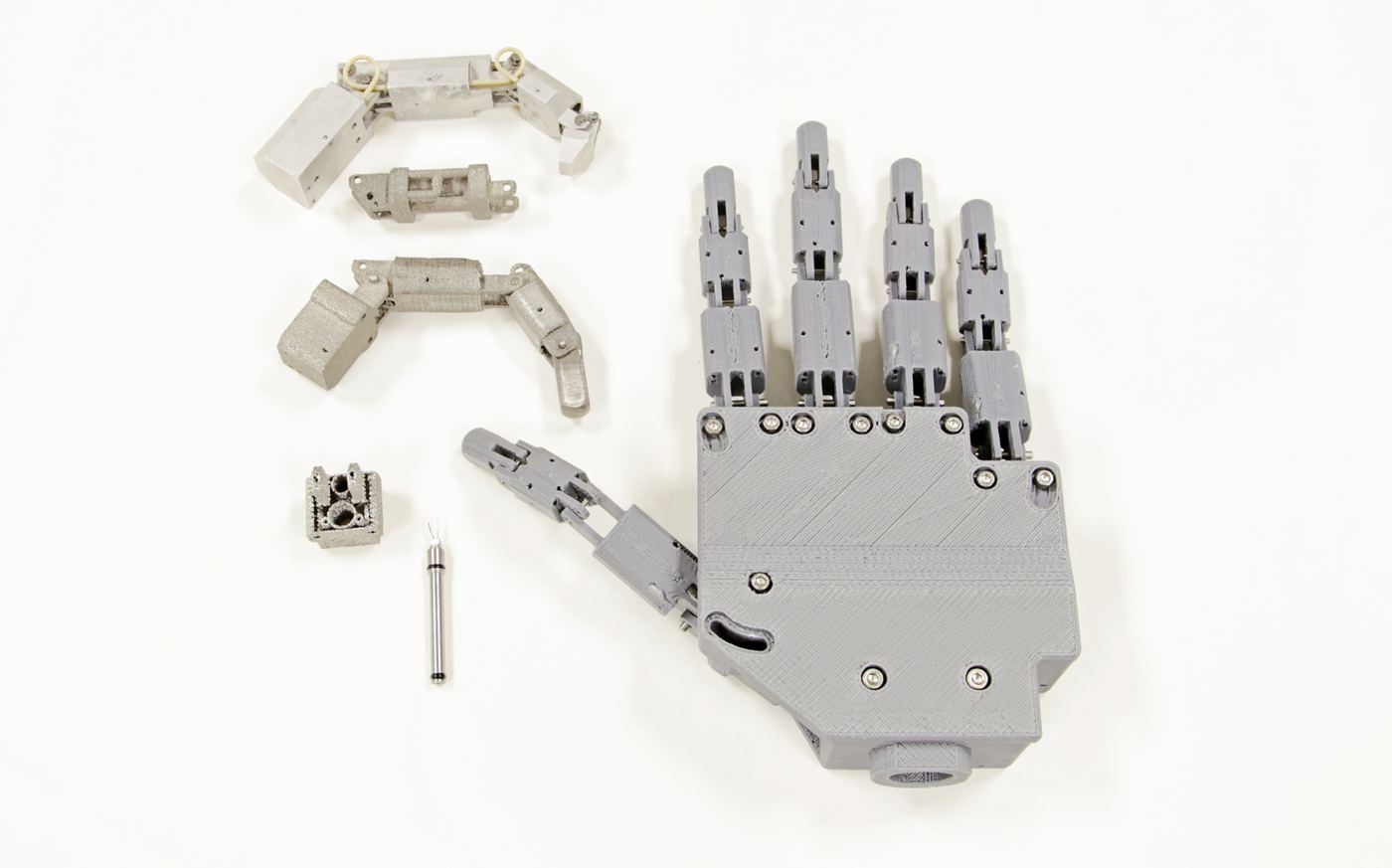
For most of history, a prosthetic hand was a simple hook or a stiff plastic shell. Modern bionic hands are different: motors drive each finger, sensors in the fingertips measure grip, and electrodes pick up the faint electrical signals from the muscles in the remaining arm, turning a thought about closing a hand into a real movement. The newest designs go further, sending signals back into the wearer’s nerves so they can feel the shape and firmness of what they hold. In trials, people using these hands have picked up an egg without breaking it, held a cup without dropping it, and told a soft object from a hard one without looking. For amputees, the sense of touch matters as much as the movement, because without feedback every grip is a guess.
What the Evidence Shows
The devices are improving quickly, but they are still expensive and need regular maintenance. A bionic hand can cost as much as a car, and many health systems cover only basic models, leaving the most advanced hands out of reach for most people who need them. Engineers are working on cheaper designs using 3D printing and simpler motors, and researchers are testing ways to connect the prosthesis directly to bone and nerves for a more natural fit. The goal is not to copy the human hand perfectly, since no machine yet matches its strength and delicacy, but to give people a tool they can rely on every day. Clinicians say the best results come when the technology is paired with training, as users learn to read the new signals their hand sends back. Reporting and analysis from sources such as MIT Technology Review track the same developments, and specialists following the bionic prosthetic hands say the direction is now consistent across independent lines of evidence.
The Wider Context
The wider context is an industry learning to ship capability and restraint together. Products built around the bionic prosthetic hands now launch with safety evaluations, usage data and rollback plans as standard, because enterprise buyers and regulators ask for them in the first meeting. Companies that treated those questions as friction are discovering they have become the purchase criteria.
What Happens Next
What happens next for the bionic prosthetic hands depends less on another breakthrough than on the unglamorous work of reliability, pricing and support. The buyers evaluating it now are not enthusiasts; they are operators with budgets and auditors, and their checklists will decide the timeline. On the evidence of the current pilots, the technology has earned the right to be judged by them. You can follow related developments in our coverage of technology.
There is a practical lesson in all of this for readers deciding what to do today. Start with the verified facts, be wary of anyone promising certainty, and prefer reversible steps while the evidence is still developing. Circumstances differ by country, income and personal situation, so general guidance should always be weighed against your own context before you act on it in any significant or lasting way.