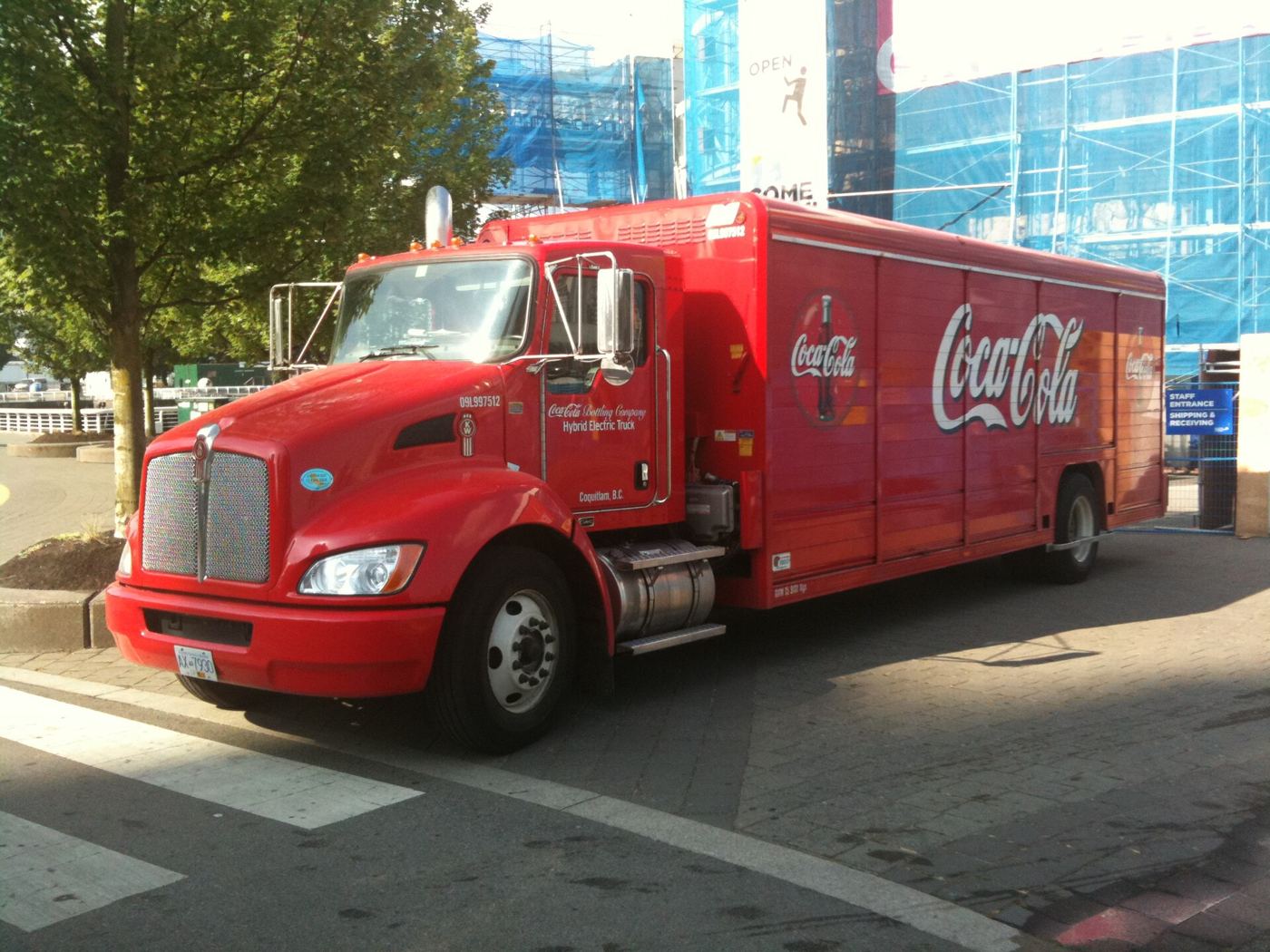
Amazon is set to deploy more than 3,000 electric delivery trucks across India in one of the largest electric truck orders in the country. Indian carmaker Tata Motors announced the deal on 6 November 2026, saying the trucks will move goods between Amazon’s warehouses and along India’s national freight corridors. The truck is a version of the Tata Ultra E.7, a 7.5-tonne vehicle powered by a 240 kilowatt electric motor drawing on a 96 kilowatt-hour battery pack. The deal is backed by the Indian government’s PM E-DRIVE programme, which supports the switch to electric vehicles. For Amazon, which runs one of the world’s largest delivery fleets, the order is a step towards cutting the emissions of its transport network in one of its fastest-growing markets, where road freight is a major source of air pollution in its biggest cities.
What the Evidence Shows
Electric trucks make particular sense for delivery work, where vehicles run fixed routes and return to a depot each night to charge. The Tata Ultra E.7 is a medium-duty truck, sized for moving goods between warehouses and distribution centres rather than long-haul journeys across the country. The challenge for India is charging: depots need enough power and chargers to keep thousands of trucks running, and the grid must cope with the extra demand. Tata Motors says the collaboration shows what the transition looks like in practice, with steady demand from a nationwide logistics network met by trucks built in India. If the deployment works, it could become a template for electrifying delivery fleets in other fast-growing markets, where trucks are among the hardest and most polluting vehicles in the world to clean up. Reporting and analysis from sources such as IEEE Spectrum track the same developments, and specialists following Amazon’s electric trucks in India say the direction is now consistent across independent lines of evidence.
The Wider Context
Adoption of Amazon’s electric trucks in India follows a familiar pattern with an unfamiliar speed. Early users tolerate rough edges in exchange for advantage, mainstream users arrive when the tool disappears into existing workflows, and the market consolidates around whoever made that transition feel effortless. Vendors are racing less on raw performance now than on integration, support and trust.
What Happens Next
The realistic forecast for Amazon’s electric trucks in India is steady integration rather than sudden replacement: embedded in products people already use, improving in increments, and regulated in proportion to its reach. The companies and institutions that plan on that basis, training staff and redesigning processes instead of chasing launches, are the ones the adoption data tends to vindicate. You can follow related developments in our coverage of technology.
It is also worth remembering how quickly the picture in this area has changed before. Positions that looked settled a few years ago have been revised as new data arrived, and the same humility is appropriate now. The strongest coverage of this subject, and the most useful advice, tends to come from sources that update their views openly when the facts move, rather than defending an earlier position long after it has stopped fitting the evidence available.