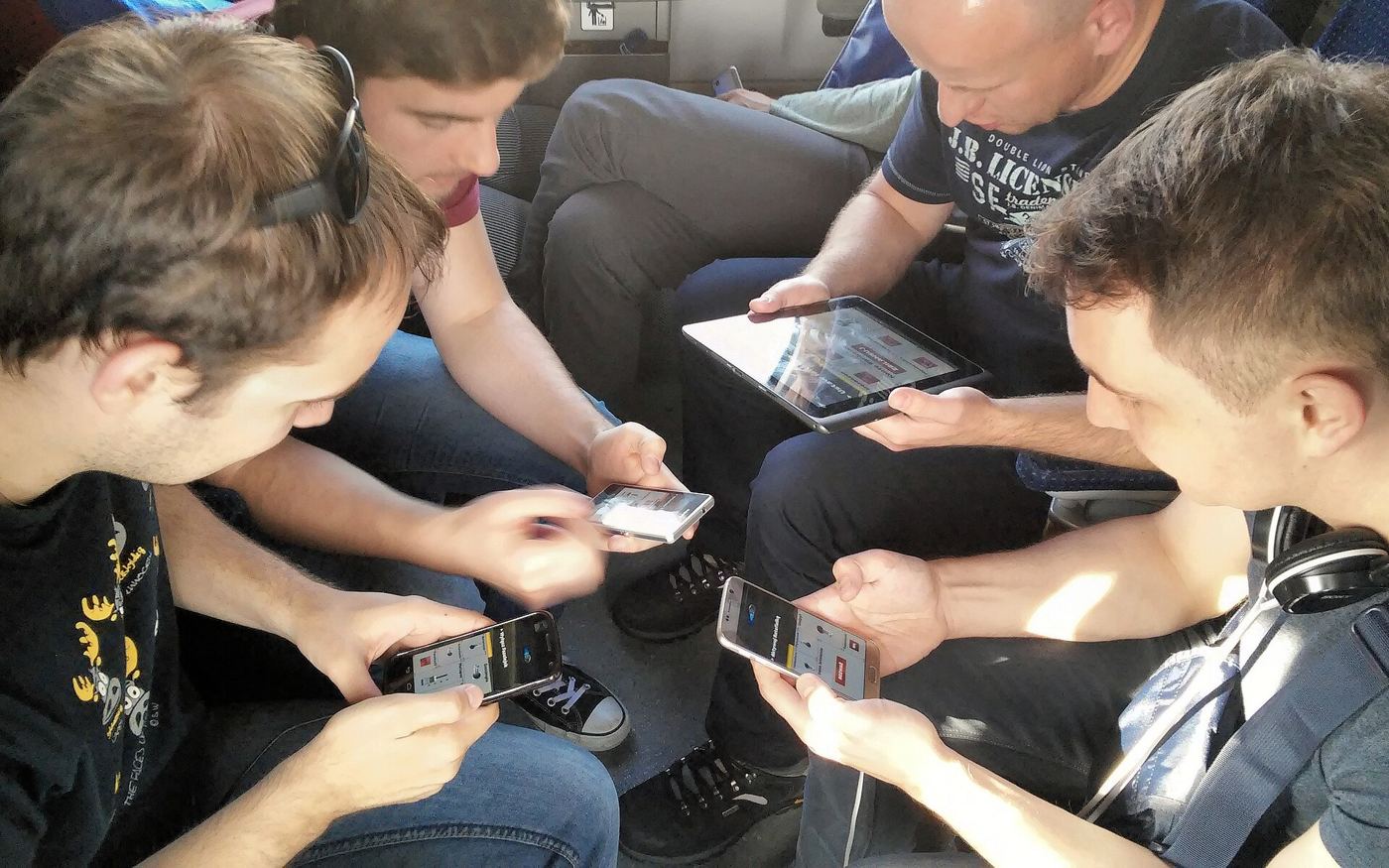
Playing a major video game no longer requires an expensive console or a powerful computer. Cloud gaming runs the game on a remote server and streams the picture to a phone, tablet, television or basic laptop, much like a video service streams a film. The player sends button presses back over the internet, and the server returns each new frame within milliseconds. Services from Microsoft, Nvidia and other companies now offer libraries of hundreds of games that can be started instantly, with no download, no installation and no need to buy new hardware when a game demands more power. For players, the appeal is access: a big-budget title can be tried on a device that could never run it alone, and progress can move between a phone on a train and a television at home. For the industry, it promises a larger audience, since the barrier to entry falls from a costly machine to a subscription and a decent connection.
What the Evidence Shows
The experience depends entirely on the network, and that is where cloud gaming still struggles. A slow or unstable connection causes lag, blurred images and missed inputs, which matters little for a slow strategy game but ruins a fast shooter or racing title. Data use is heavy, so players on capped mobile plans must be careful, and the best services are still concentrated in regions with strong broadband and nearby data centres. Game publishers also face questions about ownership, since a streamed game can be removed from a library overnight, unlike a disc or a downloaded file. Even with those limits, the technology is improving as networks get faster and servers move closer to players. Cloud gaming may never replace consoles and gaming PCs for enthusiasts, but it is becoming a genuine option for casual players, and it is reshaping how games are sold, shared and discovered. For now, the best experience still belongs to players with fast, stable broadband at home. Reporting and analysis from sources such as IEEE Spectrum track the same developments, and specialists following cloud gaming services say the direction is now consistent across independent lines of evidence.
The Wider Context
Adoption of cloud gaming services follows a familiar pattern with an unfamiliar speed. Early users tolerate rough edges in exchange for advantage, mainstream users arrive when the tool disappears into existing workflows, and the market consolidates around whoever made that transition feel effortless. Vendors are racing less on raw performance now than on integration, support and trust.
What Happens Next
The realistic forecast for cloud gaming services is steady integration rather than sudden replacement: embedded in products people already use, improving in increments, and regulated in proportion to its reach. The companies and institutions that plan on that basis, training staff and redesigning processes instead of chasing launches, are the ones the adoption data tends to vindicate. You can follow related developments in our coverage of technology.
It is also worth remembering how quickly the picture in this area has changed before. Positions that looked settled a few years ago have been revised as new data arrived, and the same humility is appropriate now. The strongest coverage of this subject, and the most useful advice, tends to come from sources that update their views openly when the facts move, rather than defending an earlier position long after it has stopped fitting the evidence available.