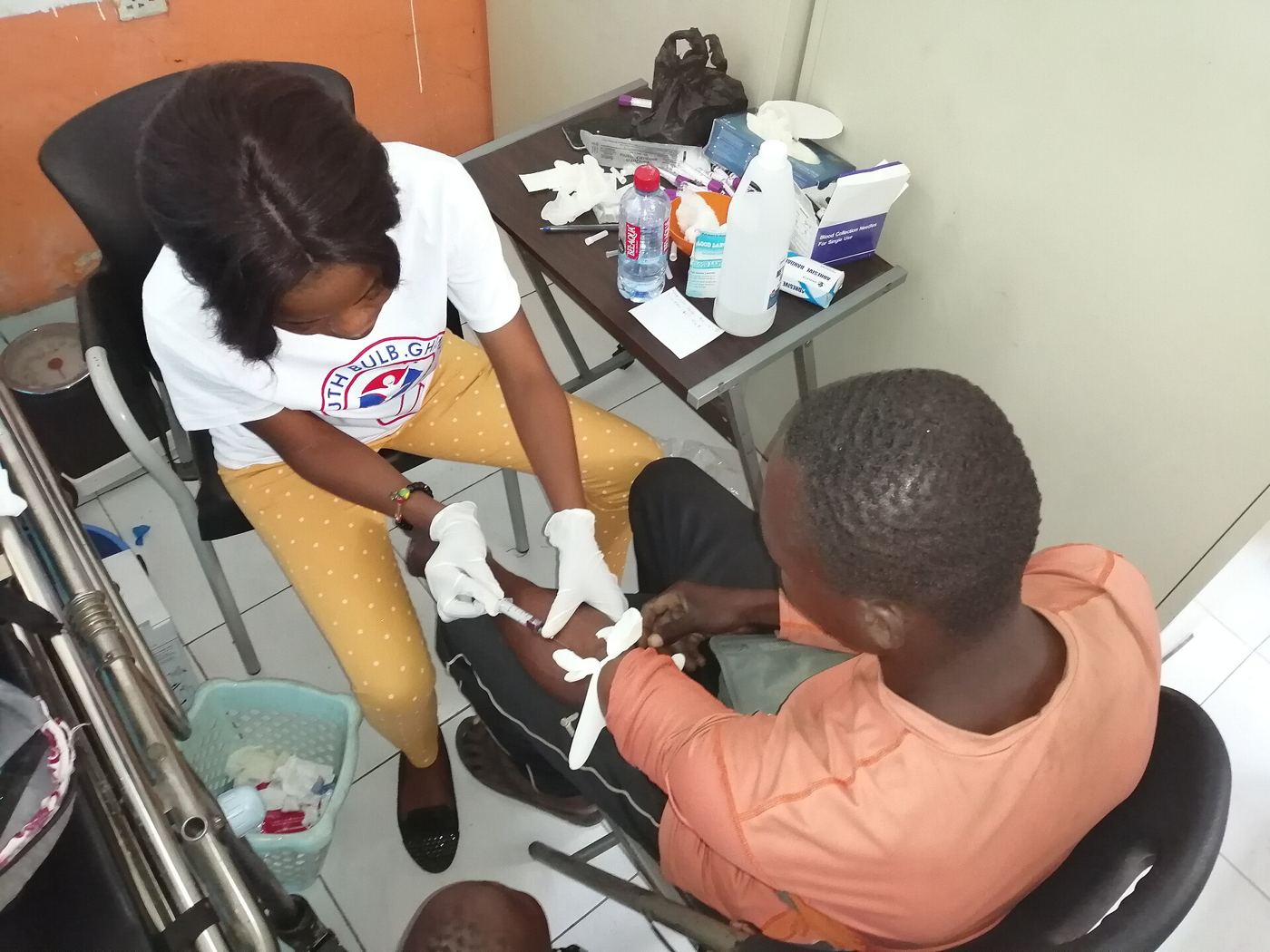
An annual health review can cover a lot of ground in a short appointment: blood pressure, weight, medicines, vaccinations, mood, sleep and any new symptoms since last year. Arriving prepared helps the review feel like a useful conversation rather than a rush through a checklist. A few days beforehand, it is worth gathering recent results, updating a medication list, and writing down changes noticed over the year, from new aches and altered sleep to improvements worth reporting, such as walking more or stopping smoking. Noting family health changes can also be relevant, since clinicians often ask whether close relatives have developed new conditions. Setting one or two personal priorities for the appointment, the questions you most want answered, keeps the discussion focused if time runs short. This article is general information only and is not medical advice for any individual. Anyone with urgent or worrying symptoms should not wait for an annual review to seek care. For routine reviews, though, preparation is what turns a brief slot into a genuine stocktake, where small issues can be raised early, screening can be kept up to date, and plans for the coming year can be agreed calmly and clearly.
What the Evidence Shows
During the review itself, honesty helps more than optimism. Describing how often exercise really happens, what eating looks like on a busy week, or how sleep has actually been gives the clinician a true picture to work with. There is no judgement in a good review, only planning based on real life. Asking for a short summary before leaving, including any follow-up tests, referrals or dates to book, prevents details being lost, and keeping that summary with previous years’ notes builds a valuable long-term record. Households can coordinate by reviewing the calendar together each autumn, checking who is due which screening or vaccination, and booking transport or time off work early. Many people find that the review also prompts useful conversations at home about habits the whole family shares, from evening meals to bedtime routines. Seen this way, an annual review is not an exam to pass. It is a regular, supported pause to check what is working, catch what is changing, and leave with a short, clear list of next steps for the year ahead. Reporting and analysis from sources such as The Lancet track the same developments, and specialists following preparing annual health review say the direction is now consistent across independent lines of evidence.
The Wider Context
Equity runs through every discussion of preparing annual health review. Interventions that require apps, fees or free weekday afternoons reliably reach the people who need them least, so the programmes earning praise are those designed around clinics, workplaces and community venues that already serve everyone. Evaluation reports now publish uptake by income and region as a matter of routine.
What Happens Next
The practical takeaway on preparing annual health review is deliberately unglamorous: it works best as part of ordinary, well-delivered care rather than as a standalone fix. Health services are planning on that basis, building the referral routes and follow-up that turn a promising result into population benefit. The gains arrive slowly and then, in the statistics, unmistakably. You can follow related developments in our coverage of health.
It is also worth remembering how quickly the picture in this area has changed before. Positions that looked settled a few years ago have been revised as new data arrived, and the same humility is appropriate now. The strongest coverage of this subject, and the most useful advice, tends to come from sources that update their views openly when the facts move, rather than defending an earlier position long after it has stopped fitting the evidence available.