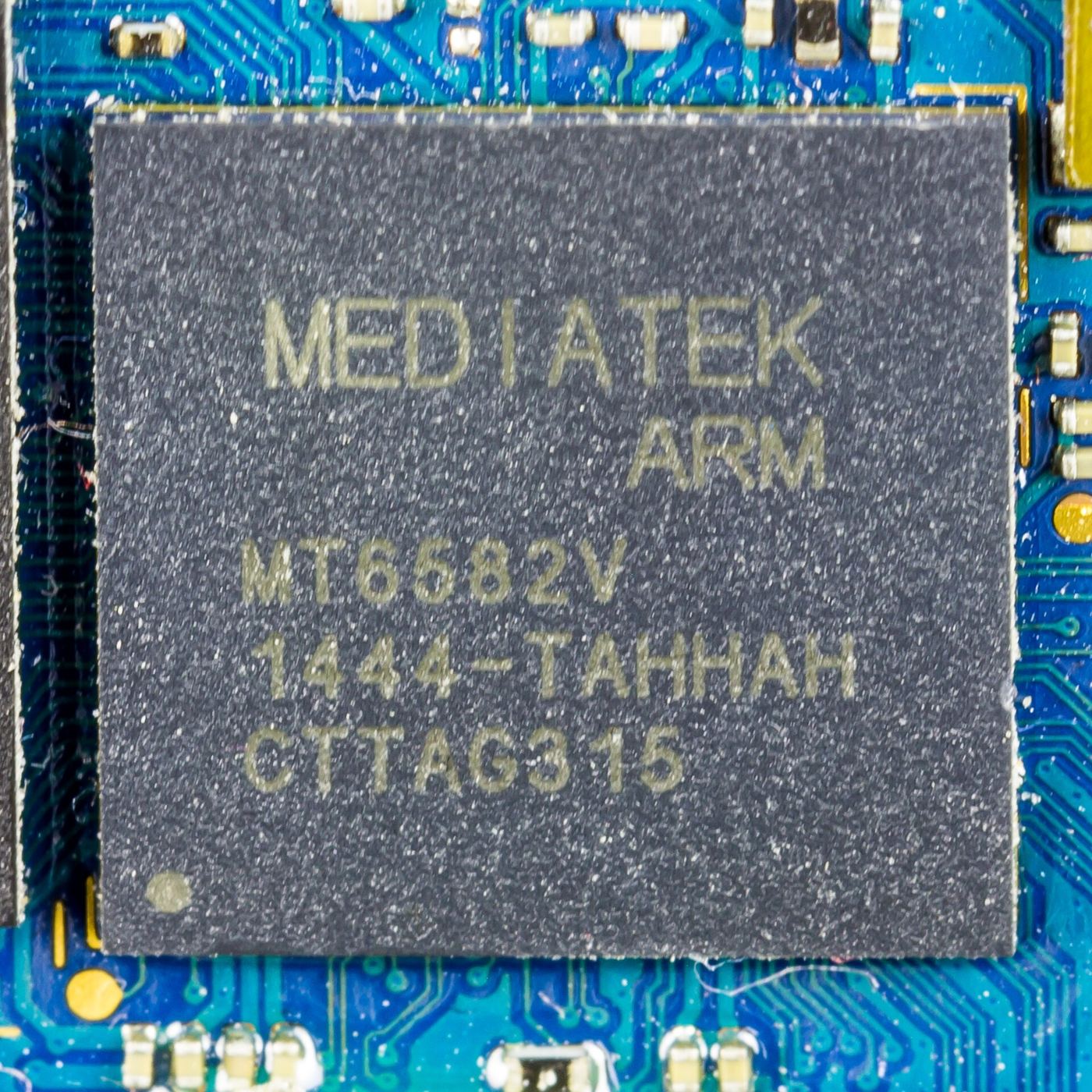
The most important camera upgrade in this year’s smartphones is not a lens or a sensor but a neural chip that processes every frame of video dozens of times before it is saved. Modern phone processors dedicate large areas of silicon to artificial intelligence tasks, and manufacturers are spending that power on cinema-style effects that once required a studio: separating a subject from a blurred background in real time, relighting a face shot under harsh lamps and stabilising footage by predicting the photographer’s movement. The results are visible in ordinary hands rather than demonstration reels. Parents filming a school play in a dark hall now capture usable footage, and independent filmmakers shoot entire short films on phones, grading the results on laptops afterwards. Industry analysts note that computational video has become the main reason consumers give for upgrading, ahead of screen size or battery capacity, reshaping how phone makers allocate their research budgets.
What the Evidence Shows
The technology carries trade-offs that professionals discuss openly. Heavy processing can produce an artificial look, smoothing skin and sharpening edges beyond what the scene contained, so manufacturers increasingly offer controls that reduce or disable effects. Heat is another constraint: sustained neural processing during long recordings can force phones to lower quality mid-shoot, a limitation chip designers are attacking with more efficient accelerators. Storage demands grow as phones record richer depth and motion data alongside the picture itself. There is also a creative debate about authenticity, as festivals and news organisations write rules for footage that algorithms have substantially reinterpreted. None of this has slowed adoption. Each generation of neural silicon handles more of the pipeline, from noise reduction to colour science, and the gap between a phone and a dedicated camera now depends more on the photographer’s intentions than on the equipment in their pocket. Reporting and analysis from sources such as IEEE Spectrum track the same developments, and specialists following smartphone neural chips computational video say the direction is now consistent across independent lines of evidence.
The Wider Context
Adoption of smartphone neural chips computational video follows a familiar pattern with an unfamiliar speed. Early users tolerate rough edges in exchange for advantage, mainstream users arrive when the tool disappears into existing workflows, and the market consolidates around whoever made that transition feel effortless. Vendors are racing less on raw performance now than on integration, support and trust.
What Happens Next
The realistic forecast for smartphone neural chips computational video is steady integration rather than sudden replacement: embedded in products people already use, improving in increments, and regulated in proportion to its reach. The companies and institutions that plan on that basis, training staff and redesigning processes instead of chasing launches, are the ones the adoption data tends to vindicate. You can follow related developments in our coverage of technology.
It is also worth remembering how quickly the picture in this area has changed before. Positions that looked settled a few years ago have been revised as new data arrived, and the same humility is appropriate now. The strongest coverage of this subject, and the most useful advice, tends to come from sources that update their views openly when the facts move, rather than defending an earlier position long after it has stopped fitting the evidence available.