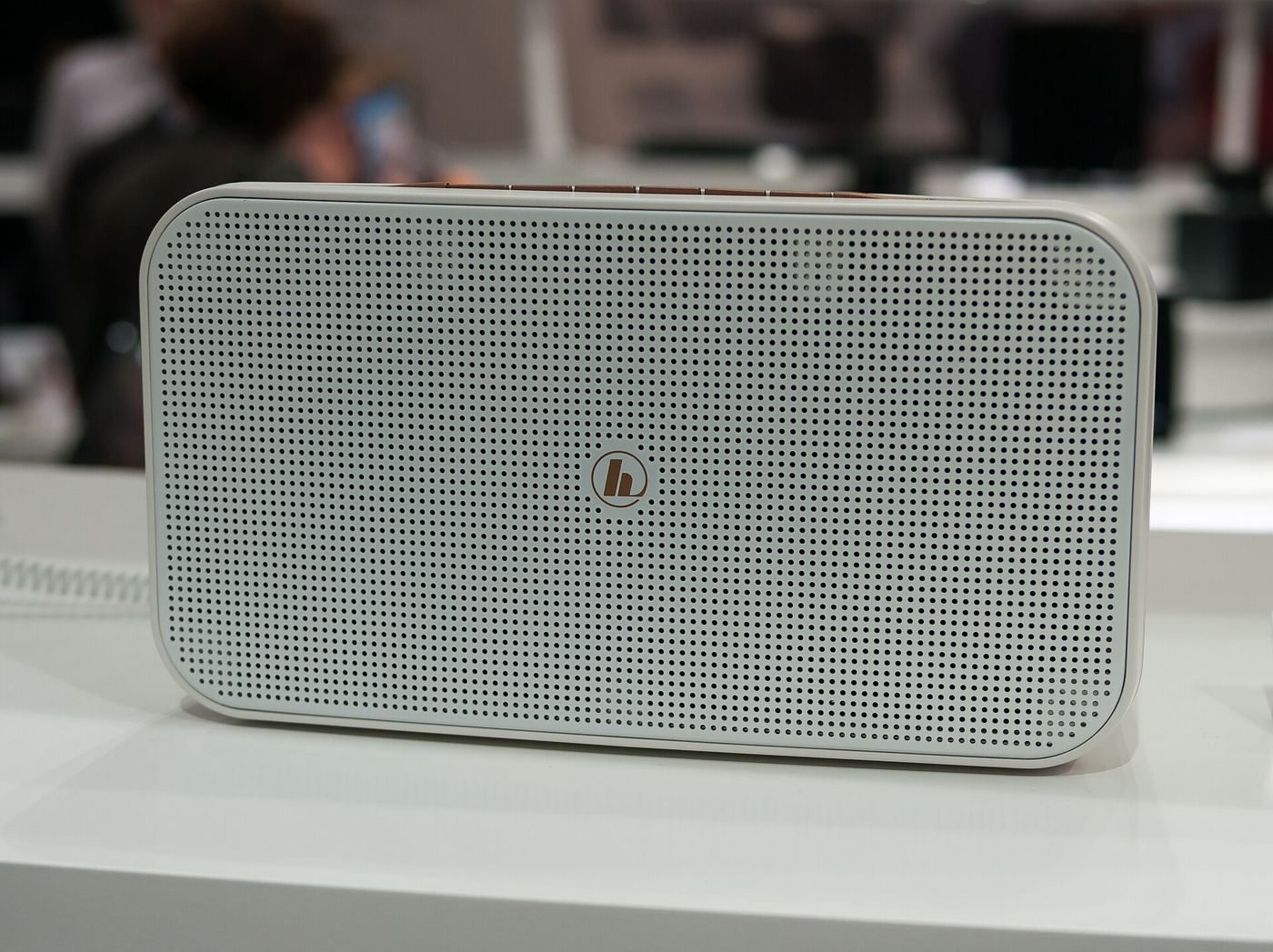
A small cylinder on the kitchen counter now answers questions, plays music, sets timers, reads the news and controls the lights, all without a screen or a keyboard. Smart speakers from Amazon, Google and Apple have become one of the most common gadgets in the home, and their appeal is easy to understand: they are cheap, they are always ready, and they let people do things with their hands full. The devices work by listening for a wake word, then sending the request to the cloud, where it is understood and answered in seconds. Over time they have become the control point for the smart home, switching on lights, adjusting thermostats and locking doors on command. Millions of households now have at least one, and many have several, one in each room. The speaker has become the most familiar face of the connected home.
What the Evidence Shows
The same always-listening design that makes smart speakers useful also makes them controversial. The devices must listen constantly to hear their wake word, and recordings of accidental activations have occasionally been reviewed by human staff, raising questions about what is stored and who can hear it. Manufacturers say wake-word processing happens on the device and that recordings can be reviewed and deleted, but privacy campaigners argue that few users ever check those settings. The speakers also shape what people hear: answers come from a single source, with no list of alternatives to compare. Competition is tightening too, as regulators examine how the big platforms favour their own services. For most owners the trade-off is acceptable, but it is worth knowing exactly what the bargain is: convenience in exchange for a microphone that never fully sleeps. Reporting and analysis from sources such as IEEE Spectrum track the same developments, and specialists following smart speaker privacy say the direction is now consistent across independent lines of evidence.
The Wider Context
Adoption of smart speaker privacy follows a familiar pattern with an unfamiliar speed. Early users tolerate rough edges in exchange for advantage, mainstream users arrive when the tool disappears into existing workflows, and the market consolidates around whoever made that transition feel effortless. Vendors are racing less on raw performance now than on integration, support and trust.
What Happens Next
The realistic forecast for smart speaker privacy is steady integration rather than sudden replacement: embedded in products people already use, improving in increments, and regulated in proportion to its reach. The companies and institutions that plan on that basis, training staff and redesigning processes instead of chasing launches, are the ones the adoption data tends to vindicate. You can follow related developments in our coverage of technology.
It is also worth remembering how quickly the picture in this area has changed before. Positions that looked settled a few years ago have been revised as new data arrived, and the same humility is appropriate now. The strongest coverage of this subject, and the most useful advice, tends to come from sources that update their views openly when the facts move, rather than defending an earlier position long after it has stopped fitting the evidence available.