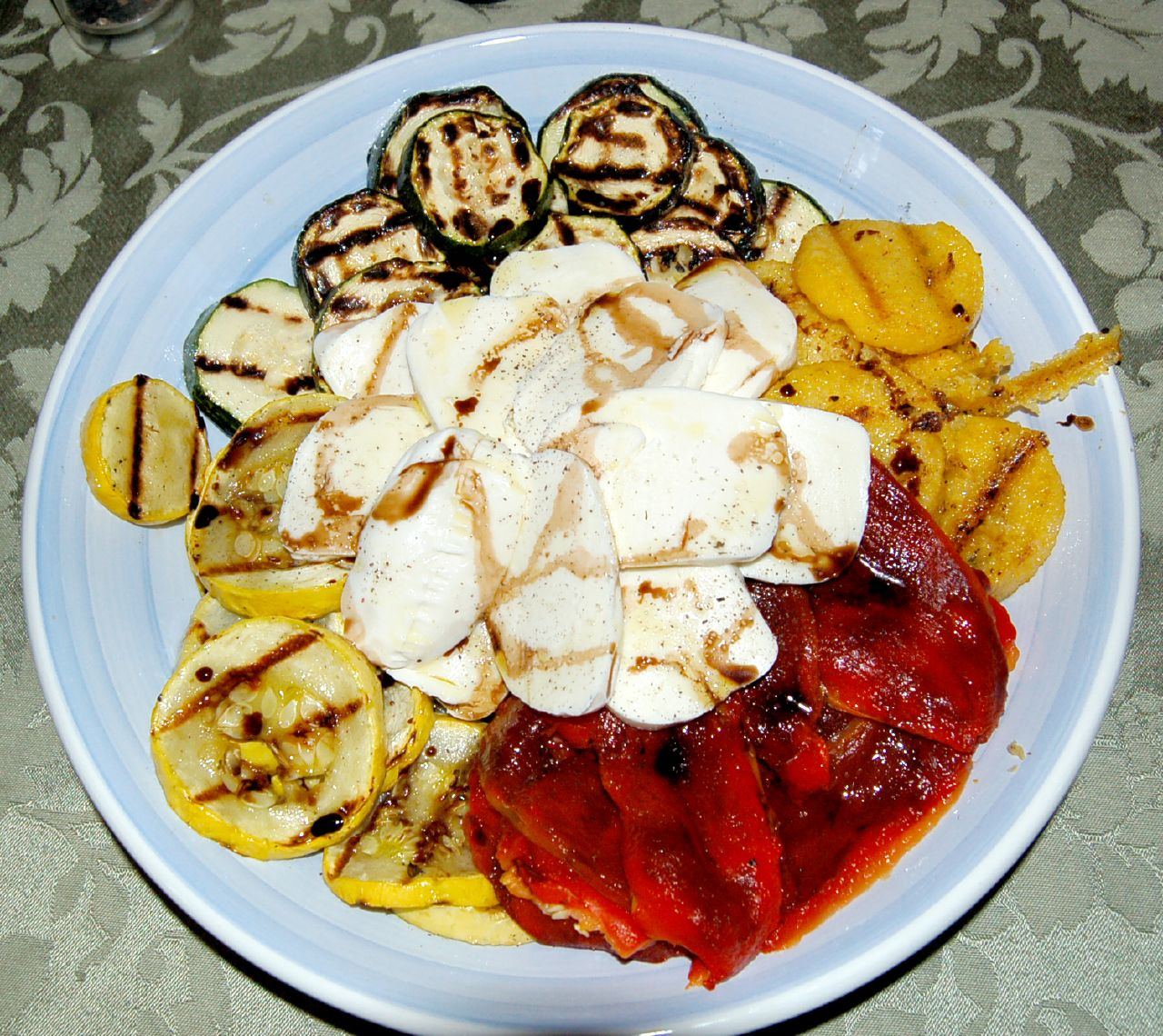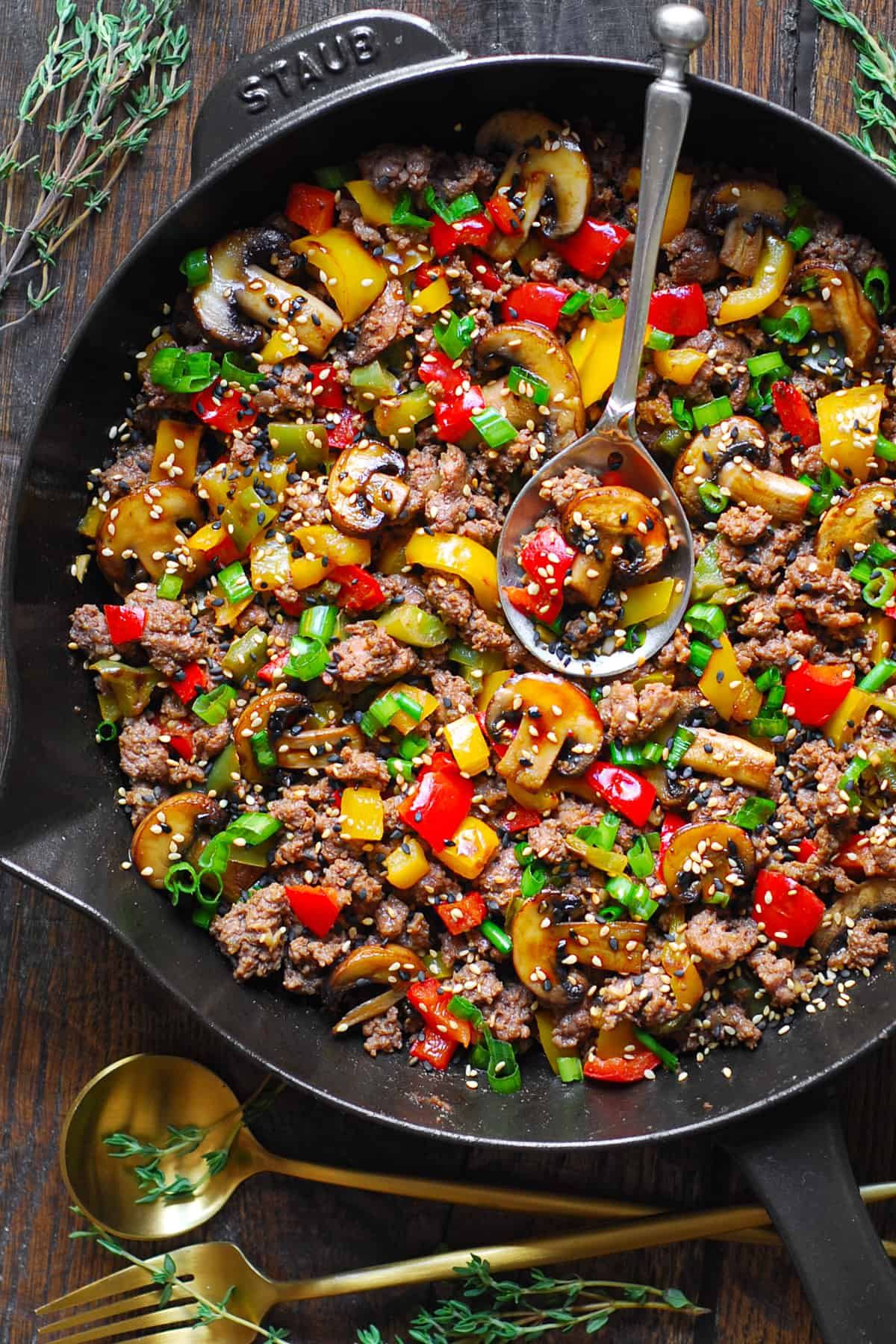
On busy weeknights, a pot of vegetable soup is helping families eat well without spending long in the kitchen or stretching the food budget. Soup makes good use of whatever vegetables are already in the fridge, from carrots and leeks to the last of a bag of spinach, and turns them into a filling meal with the help of beans, lentils or barley. Dietitians often point out that soups pack several portions of vegetables into a single bowl, along with fibre that supports digestion. A large batch cooked once can provide dinner tonight, lunch tomorrow and a portion for the freezer, reducing both waste and the temptation of expensive last-minute takeaways. Children often enjoy choosing one ingredient each for the pot, which cooks say makes them more willing to taste the finished soup and gradually broadens the range of vegetables they will eat.
What the Evidence Shows
Building flavour does not require complicated ingredients. Starting with onion, garlic and a little olive oil, adding herbs or spices, and finishing with a squeeze of lemon or a spoonful of yoghurt keeps the bowl interesting. Frozen vegetables work just as well as fresh in soup and can be cheaper, with similar nutritional value. Serving soup with wholegrain bread makes the meal more satisfying, and a sprinkle of seeds or grated cheese adds texture. Families who keep a short list of favourite combinations on the fridge find weeknight cooking far less stressful, because the decision about dinner has effectively been made in advance. A basic soup also travels well in a flask for work or school the next day, giving families a warm, home-made lunch option that costs far less than buying sandwiches out daily. It is comfort food that also happens to be genuinely good value. Reporting and analysis from sources such as World Health Organization track the same developments, and specialists following simple vegetable soups say the direction is now consistent across independent lines of evidence.
The Wider Context
The wider context is a health system trying to move from treating illness late to preventing it early, against budgets that reward the opposite. Evidence around simple vegetable soups is being weighed by guideline committees that ask two questions in order: does it work, and can ordinary services actually deliver it at scale. Many good ideas pass the first test and stall on the second.
What Happens Next
What happens next for simple vegetable soups depends on the slow machinery of guidelines, funding and training catching up with the evidence. Patients asking about it today should expect honest answers that include uncertainty, and clinicians say a service that explains what is not yet known earns more trust than one that oversells. The research pipeline, at least, is moving in the right direction. You can follow related developments in our coverage of health.
There is a practical lesson in all of this for readers deciding what to do today. Start with the verified facts, be wary of anyone promising certainty, and prefer reversible steps while the evidence is still developing. Circumstances differ by country, income and personal situation, so general guidance should always be weighed against your own context before you act on it in any significant or lasting way.