For a disease that still kills a child roughly every minute, malaria has resisted a vaccine for half a century. That long failure is now ending in practice, not just in journals: two vaccines — RTS,S and R21 — are being delivered through routine childhood immunisation programmes in a growing list of African countries, with millions of doses administered since the first national launches. Health ministries describe the work in unglamorous terms of cold chains, registers and outreach days, which is precisely what a maturing programme looks like.
The World Health Organization estimates malaria caused around 600,000 deaths in recent years, the overwhelming majority in Africa and most of them children under five. The vaccines are not silver bullets: efficacy is partial, protection wanes, and schedules require four doses. But pilot evaluations in Ghana, Kenya and Malawi found meaningful drops in severe malaria hospitalisations among vaccinated children, and modelling suggests that even a partially effective vaccine, layered onto bed nets, spraying and better treatment, saves lives at a cost public health officials consider excellent value.
The Logistics Are the Story
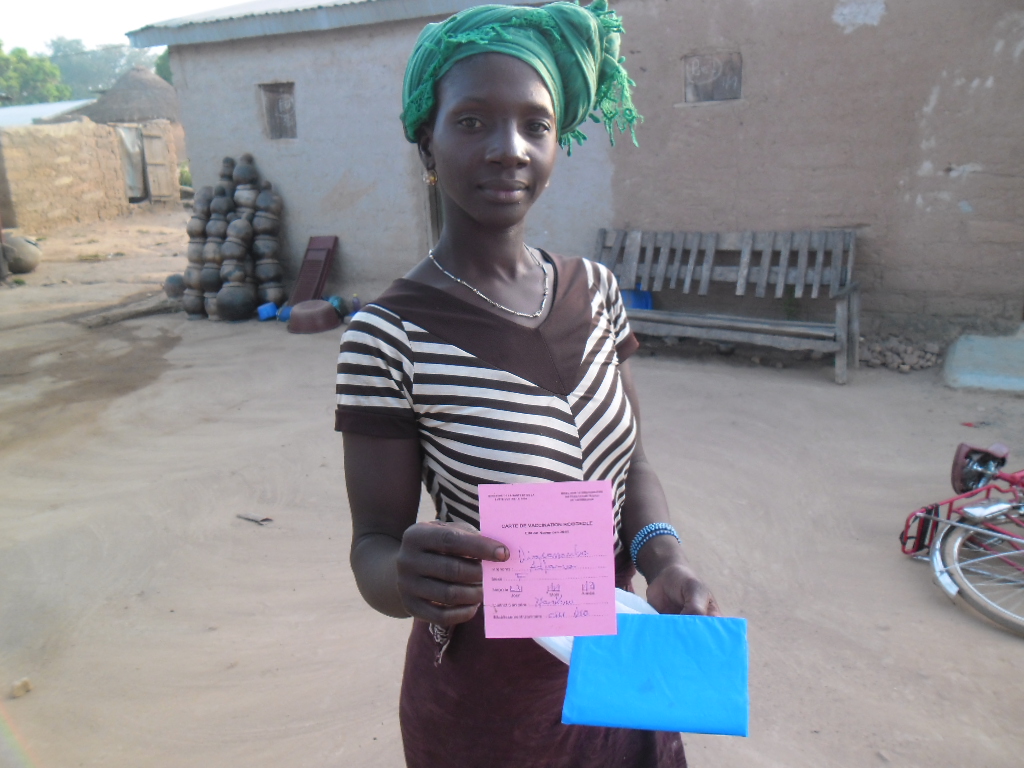
Delivering any vaccine to a two-year-old in a rural district is an exercise in systems: solar fridges that keep working through power cuts, motorbike outreach to settlements beyond the tarmac, and community health workers who know which families miss appointments and why. The malaria programme rides on the back of the routine immunisation system strengthened by Gavi, the Vaccine Alliance, which co-finances doses for eligible countries. Supply, once the binding constraint, has eased as production of the cheaper R21 vaccine scaled up, cutting the price per dose to levels health economists compare favourably with other malaria tools. Our health desk tracks the rollout in our health reporting.
What Success Would Look Like
Delivery Is the Discovery Now
Malaria vaccine history will record two breakthroughs: the molecule and the logistics. Getting four doses into a child in a rural district — across rainy seasons, cold-chain gaps and families who move with work — is an operational achievement on the scale of the immunology, and the rollout’s early lessons are reshaping how all vaccines are delivered. Community health workers armed with defaulter lists, solar fridges riding on motorbikes, and vaccination bundled with the nutrition and bednet visits families already attend: the system being built for malaria is the system every other programme will inherit. There is also a scientific stake in coverage itself — partial, patchy vaccination exerts selection pressure on the parasite, so high and even coverage is not just equity but strategy. The vaccine in the vial is sixty years of science. The vaccine in the child is the part the world is learning now, district by district.
The pipeline behind the first vaccines is the rollout’s insurance policy. A second-generation candidate built on the same circumsporozoite target has shown substantially higher efficacy in trials, and further candidates attack the parasite at other life stages — including transmission-blocking designs intended to protect the community rather than only the vaccinated child. Manufacturing scale is the binding constraint being attacked in parallel, with African production partnerships intended to end the continent’s dependence on imported supply for its own endemic disease. The malaria programme is, in effect, building three things at once: immunity in children, an industry on the continent, and the delivery machinery every future vaccine will use. Any one would justify the effort.
Nobody serious predicts elimination from vaccines alone. The credible ambition is a continued, compounding decline: fewer severe cases clogging paediatric wards in the rainy season, fewer funerals, fewer days of work lost by parents nursing sick children. Resistance — of mosquitoes to insecticides and parasites to front-line drugs — argues for using every tool at once rather than choosing between them. After fifty years of disappointment, malaria control finally has a new instrument. The task now is the oldest one in public health: delivery, dose after dose, district after district.