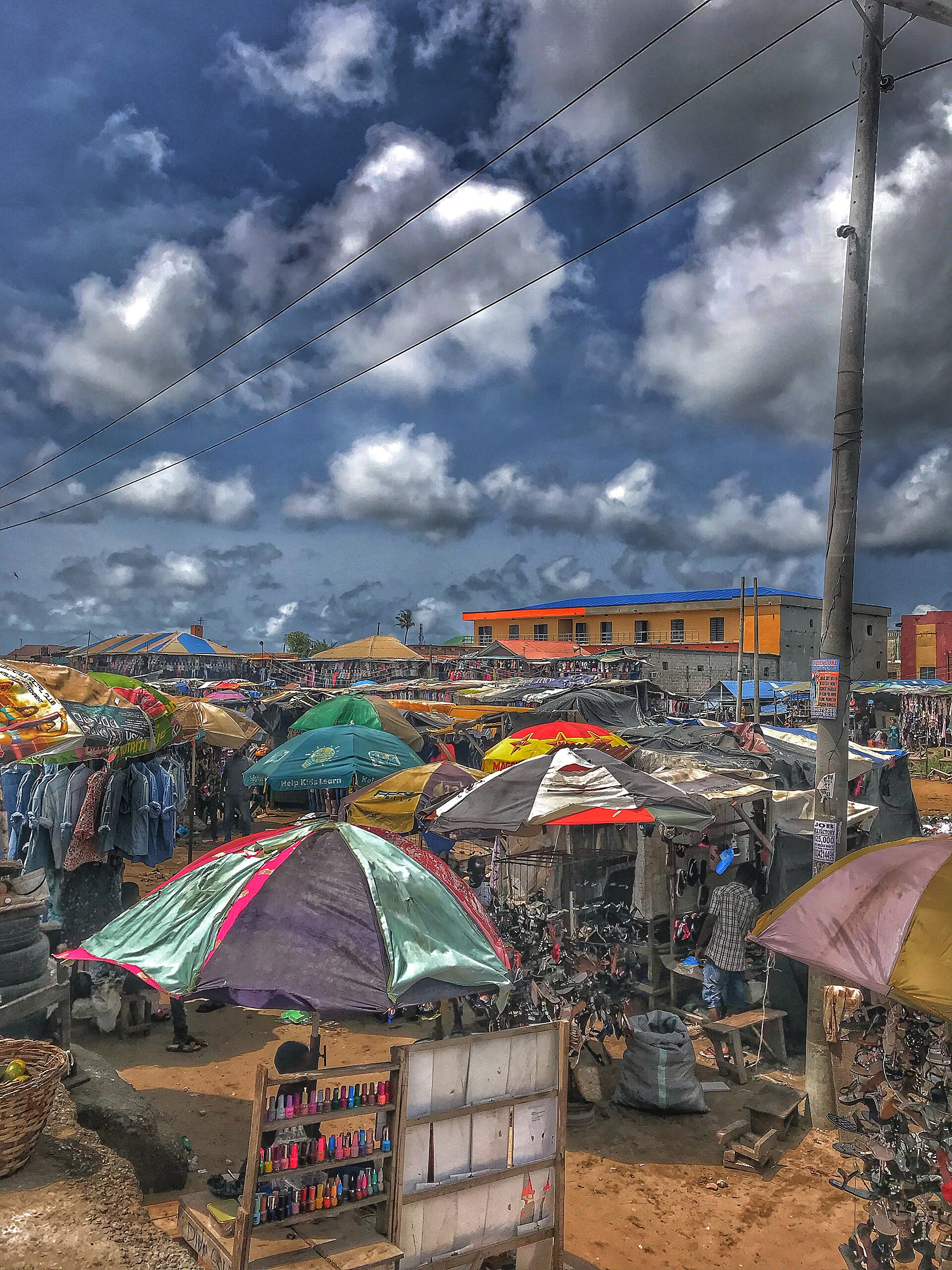
In Lagos, a market trader accepts payment by phone transfer and confirms it in seconds. In Nairobi, a commuter pays for a minibus ride without touching cash. In Accra, a small shop orders stock through an app and builds a credit history from its sales. Scenes like these, repeated millions of times a day, describe one of the most consequential shifts in African economic life: the remaking of everyday payments by financial technology startups.
Nigeria sits at the centre of the story, with Africa’s largest population, a huge informal economy and a generation of founders determined to build the rails that traditional banking never laid. It is a sector we follow closely in our business and technology coverage.
Leapfrogging the Bank Branch
The starting point is what was missing. Bank branches were sparse outside big cities, account opening demanded paperwork many people could not supply, and cash ruled the informal trade where most Africans work. Mobile phones spread far faster than bank branches ever did, and that gap created the opening: if financial services could live on a phone, even a basic one, they could reach people the banking system had bypassed.
Mobile money proved the concept at continental scale, most famously in East Africa, and smartphone apps then layered richer services on top: transfers, bill payments, savings, micro-loans and merchant tools. The World Bank’s work on financial inclusion documents how account ownership in Sub-Saharan Africa has risen dramatically on the back of these services, reshaping what economists thought was possible in low-income markets.
The agent model deserves emphasis in its own right. Hundreds of thousands of small agents, kiosk owners, shopkeepers and dedicated operators, form the physical bridge between cash economies and digital accounts. They earn commissions on deposits, withdrawals and transfers, which means the digital payments revolution has also created a vast new class of micro-entrepreneurs whose livelihoods depend on the networks staying reliable.
Mobile Money as Everyday Infrastructure
In Nigeria, the ecosystem now includes payment processors handling transactions for businesses large and small, agent networks that turn corner shops into cash-in and cash-out points, and digital banks competing on speed and user experience. Agents deserve special mention: by giving digital money a human, neighbourhood face, they solved the trust and cash-conversion problems that pure apps could not.
The effects ripple outward. A trader with digital records can prove income, qualify for credit and insure stock. Governments can pay benefits directly and see leakage fall. Remittances from the diaspora, a lifeline for millions of families, arrive faster and more cheaply than through older channels. Explore our latest coverage for reporting on the companies and agents behind these changes.
Startups, Regulation and Trust
Success has attracted serious money and serious scrutiny. Nigerian fintechs have raised large rounds from international investors, and a few have reached the scale of major financial institutions. Regulators, meanwhile, walk a line between encouraging innovation and protecting consumers, tightening rules on licensing, fraud and cryptocurrency trading, and pushing the banking system itself to modernise. Cash shortages during Nigeria’s currency redesign showed both the promise of digital payments and the strain placed on systems when adoption suddenly surges.
Trust remains the industry’s core currency. Fraud, failed transactions and hidden charges can undo years of confidence-building, and the best operators invest heavily in reliability and customer support.
What Comes Next
The next phase is about connection: between countries, currencies and systems. Cross-border payment initiatives aim to let a trader in Kano pay a supplier in Kumasi as easily as one across town, a change that would give practical meaning to continental free-trade ambitions. Reporting by Reuters and others charts the investment flowing into that vision. The remaking of payments is not finished, and its problems, from connectivity gaps to consumer protection, are real. But the direction is unmistakable: money in Africa is becoming digital, mobile and increasingly borderless, and everyday life is reorganising itself around that fact.