Malaria is an ancient disease with a stubborn record. Transmitted by mosquitoes and caused by parasites, it still sickens hundreds of millions of people a year and kills hundreds of thousands, most of them young children in Africa. Yet behind those grim totals runs a quieter story of progress: deaths have fallen substantially since the turn of the century, and the past few years have added genuinely new tools to a fight that once relied on a short list of ageing ones.
Nigeria carries the heaviest share of the global burden, which makes the country’s prevention efforts a matter of worldwide significance. We track the campaign throughout our health coverage, and this article surveys where the measurable progress is coming from.
An Old Disease, a Heavy Burden
The parasite’s life cycle, moving between mosquito and human hosts, makes malaria hard to corner. It thrives where standing water, warm climates and crowded housing give mosquitoes easy access to people, and where health systems are stretched thin. Children under five and pregnant women face the greatest danger, and the disease also imposes a grinding economic cost through missed work, missed school and household medical spending.
The World Health Organization’s malaria fact sheet sets out the scale: progress against the disease stalled in the late 2010s, and the pandemic years disrupted campaigns further. That stall is precisely why the newer tools matter: the old ones, used alone, had reached their limits.
Nets, Sprays and Medicines
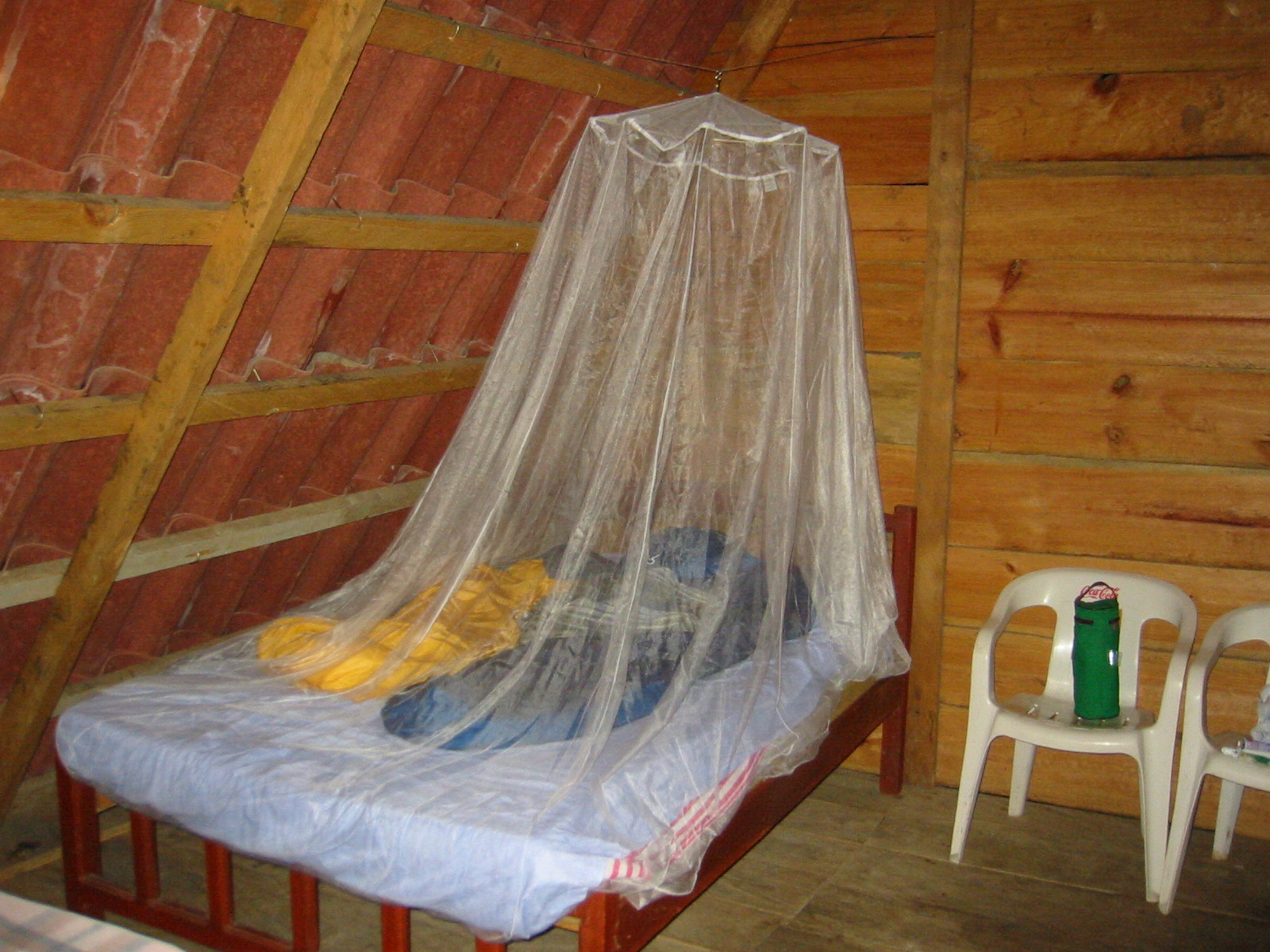
The workhorses of prevention remain insecticide-treated bed nets, indoor spraying and effective medicines. Mass net campaigns have put hundreds of millions of nets over beds across Africa, and where they are used consistently, infections fall. The newest generation of nets, treated with two active ingredients, was developed because mosquitoes in many regions had evolved resistance to the standard insecticide, a reminder that this is an evolutionary arms race as much as a medical one.
Distribution, however, is only half the battle; consistent use is the other half. Health workers report that nets fail when they are too hot, too few for the whole family, or diverted to other purposes, which is why campaigns increasingly pair handouts with community education. A net hanging unused in a bag prevents nothing, and the best programmes now measure how many people actually sleep under nets, not merely how many nets were delivered.
Prevention also includes medicine given ahead of exposure: seasonal chemoprevention for young children in the Sahel, delivered monthly through the rainy season, and preventive treatment for pregnant women. Together with rapid testing and effective treatment for those who do fall ill, these measures form the layered defence that health officials describe as having no single magic bullet. See our latest coverage for how distribution campaigns are organised state by state.
Vaccines Join the Toolkit
The most significant recent change is the arrival of malaria vaccines. Two have now been recommended by the WHO and are being rolled out in routine childhood immunisation programmes across African countries, including large-scale introduction in Nigeria. Their protection is partial rather than complete, which disappointed some early hopes, but public-health experts stress the arithmetic: a partially effective vaccine, given to tens of millions of children, still prevents enormous numbers of severe cases and deaths when combined with nets and medicines.
Research continues on next-generation vaccines, on genetic approaches to mosquito control, and on longer-lasting treatments. Reporting by the BBC has followed these developments as they move from laboratories into national programmes.
Keeping the Momentum
The risks to progress are familiar: funding shortfalls, insecticide and drug resistance, conflict disrupting campaigns, and climate shifts expanding the mosquito’s range into new highland areas. Against them stand better data, better tools and hard-won operational experience. Malaria will not be beaten by any single breakthrough. It is being beaten, slowly and measurably, by layers of unglamorous prevention applied consistently at enormous scale. The task now is to protect that momentum until the burden that Nigerian families carry becomes a memory rather than a season.